
Where animals live, animals die. In animal husbandry, this usually happens in a planned way, when animals are ready for slaughter or have lost their economic value. But it also happens unplanned, due to illness or accidents whereby treatment does not lead to recovery. Dying always involves the risk of unnecessary animal suffering. We believe that the existing methods of stunning and killing animals can be improved. Our method makes use of nature. With nitrogen from the air, we make foam that is filled with 99% nitrogen. Immersion, without the animal noticing, leads almost immediately to unconsciousness and after 1-2 minutes to a painless death.
Nitrogen foam displaces air and creates an oxygen-free atmosphere within seconds. The foam is then blown apart with nitrogen gas so that only pure nitrogen remains. (pictured: HEFT model H1)
The hypoxia principle is well known in aviation and pilots learn the ‘lucky’ feeling of anoxia – planned of course – during safety training. A gradually lowering oxygen content produces dizziness and slow reactions, but no aversiveness as you can see in this video. Anoxia is the complete absence of oxygen. In the nitrogen foam boxes, anoxia is generated within 10-20 seconds, leading to loss of consciousness within 10-20 seconds thereafter.
Nitrogen foam has several advantages:
Other advantages are:
The nitrogen foam method means that sick animals – that can no longer be treated – are euthanised sooner, which reduces the risk of spreading disease and allows the farmer to pay more attention to the healthy animals.
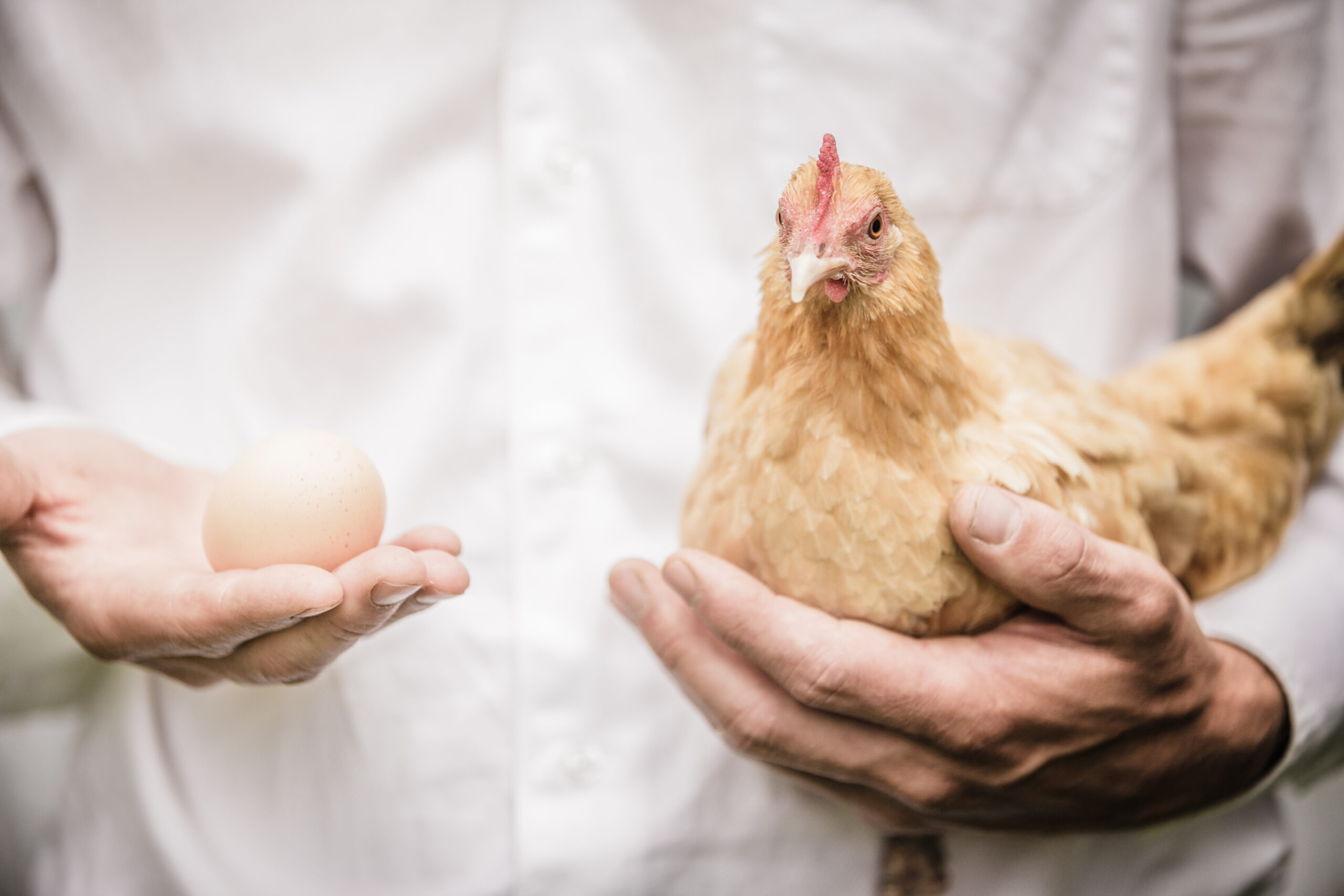
In poultry farming, it is not uncommon for small stocks to be killed, for example during selection at vaccination, if malhatched in the barn, or in case of infections. With the HEFT systems, this can be done quickly and without burdening the employees with manual killing. Please enquire about the special mobile systems that RASA offers for professional service providers in the poultry sector (with a capacity of up to 1000 animals/hour). We also offer small systems (for a few animals) especially for poultry veterinarian practices.
On every pig farm, animals are born that are not viable, fall ill or are injured and do not recover with adequate care. Sometimes these animals cannot be treated or can only live on in constant pain.
The choice of whether to euthanise an animal is decisive for animal welfare. Timely euthanasia prevents unnecessary suffering. To support you as a farmer in making this decision, RASA together with the University of Utrecht, the Royal Society for Veterinary Medicine and the Producers Organisation for Pig Breeding developed decision aids for piglets up to weaning, and for larger pigs.
They enable you to make a well-founded decision about whether to euthanise or to treat the animal. A registration system can be linked to it so that you can collect data that can be used to increase the vitality of the piglets and reduce mortality, for example, by improving feeding, care, and housing. Your farm veterinarian plays an important role in this.
We feel that every farm should have a small nitrogen foam system to humanely stun and kill animals that are ill and cannot be treated – as soon as these have been identified. But during outbreaks of for example avian influenza or African swine fever, speed is key. With HEFT systems, small animals that are infected or suspected can be killed immediately, and hygienically, and capacity can be scaled up in HEFT’s large systems that are available on a rental basis. Call Rasa for more information!